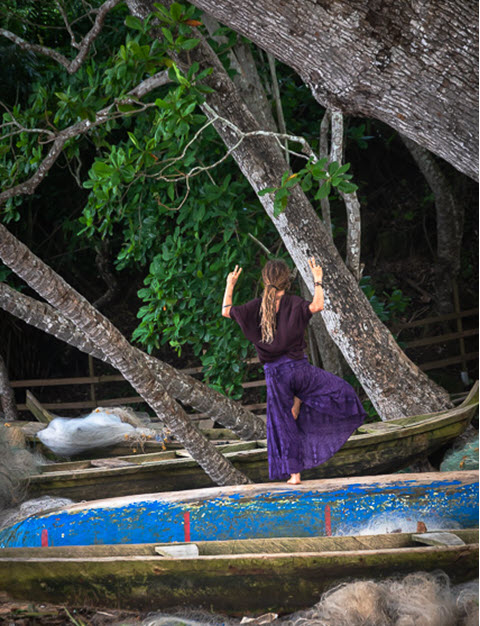
Exactly 11 years ago, I sat meditating in a forest.
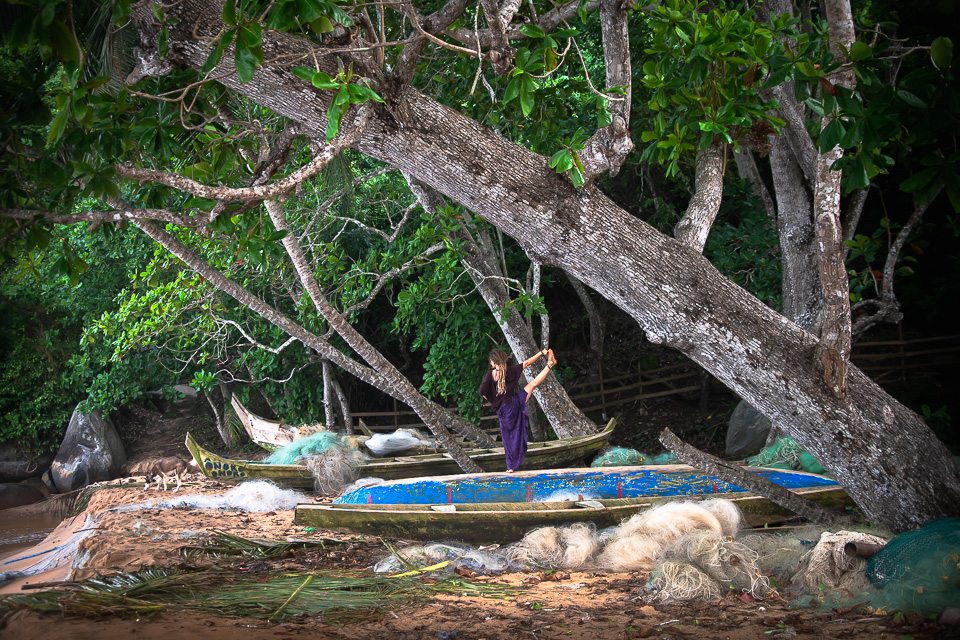
Not just any forest, but a magic forest. A forest full of enchantment where time stands still, surrounded by tropical trees, plants, and animals. Where butterflies dance in the sunlight filtering through the canopy, birds sing, crickets chirp, and somewhere nearby a monkey adds its own sounds. This forest lies next to the most beautiful beach in Ghana, in an eco-lodge that was my home for almost a year at that time.
According to local belief, this forest is inhabited by spirits that must always be considered and respected.
It was in this special place that the idea was born to invite people here—to share this magical energy. An energy that stirs your soul, challenges you, and heals. An energy that teaches trust.
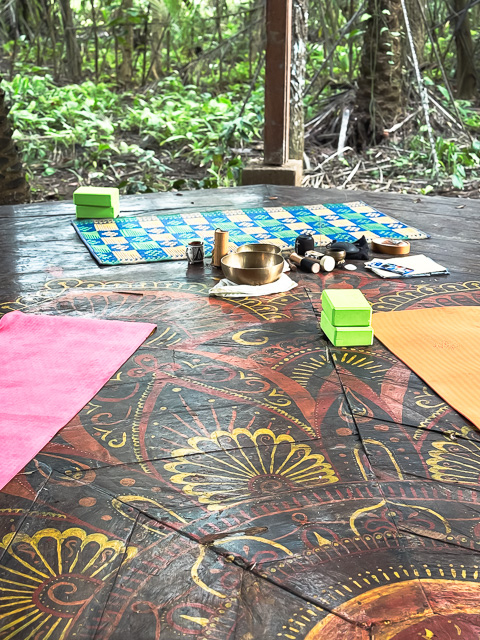
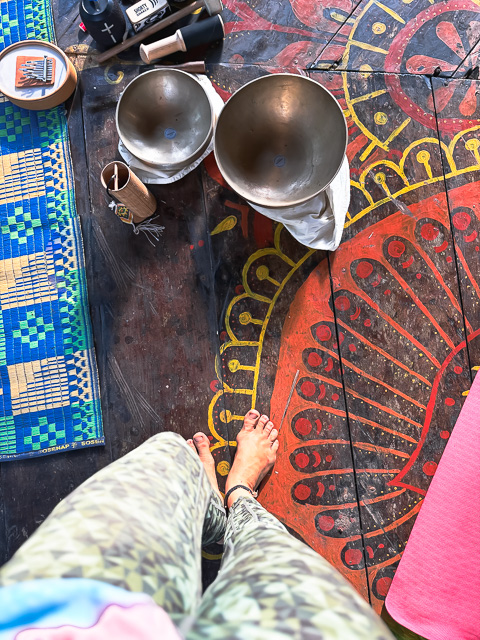
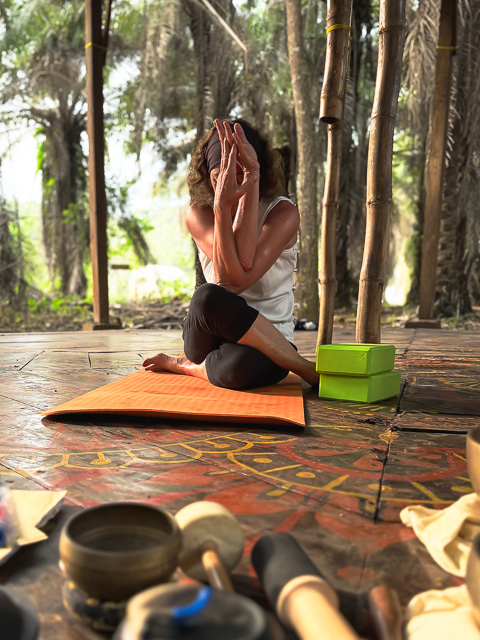
This summer, my dream came true: I organized my very first retreat in Ghana.
I am still filled with gratitude for this wonderful time, for all the trust, love, and openness of everyone who joined me on this tropical adventure—and on a journey to themselves.
Are you ready for a similar adventure?
Here are some background facts about Ghana:
Ghana is a fascinating West African country rich in culture, history, and diverse nature. Here are the key things to know for your trip:
Best Travel Time:
The main tourist season is the dry period from November to March when rain is scarce and winter grips Europe. August to October is a great choice if you prefer cooler weather and don’t mind some overcast days after the rains. In this off-season, fewer tourists visit.
What to See?
- Accra, the capital, with its vibrant Makola Market, Kwame Nkrumah Memorial Park, Independence Square, and museums
- Historic coastal towns Cape Coast and Elmina, where the history of the slave trade is preserved more strongly than almost anywhere else. Visiting the famous slave castles (Elmina Castle, Cape Coast Castle) is a must.
- Nature highlights like Kakum National Park with its canopy walkway, Mole National Park for safaris, Aburi Botanical Gardens, and Wli Waterfalls
- Surfing in Busua and remote beaches like Cape Three Points
Currency:
The Ghanaian Cedi (GHS) is the local currency. Exchange rates fluctuate considerably.
Ethnic Groups and Languages:
Ghana is ethnically diverse with over 70 tribes. The largest are Akan, Mole-Dagbani, Ewe, and Ga-Dangme. English is the official language, alongside widely spoken local languages such as Twi (Akan), Ewe, and Dagbani.
Food:
Typical meals include staple foods like Fufu (pounded cassava, sometimes mixed with plantains), Banku (fermented corn and cassava dough), Jollof rice, spicy fried plantains called “Kelewele,” grilled fish, and stews made from peanuts, vegetables, and meat.
Drinking Water:
Tap water is not safe to drink. Always use bottled or filtered water.
Getting Around:
Within the country, you can travel by minibuses (Trotros), taxis, motorbike taxis, or private drivers. In cities, taxis and ride-sharing services are common.
Airport & Arrival:
Kotoka International Airport (ACC) in Accra is the main international gateway. Direct flights from Germany usually depart from Frankfurt and Munich.
Time Difference:
Ghana follows Greenwich Mean Time (GMT+0) year-round. Time difference to Germany is minus 2 hours during German summer time, and minus 1 hour during winter.
Economy:
Most people rely on agriculture, mining (notably gold), fishing, trade, and a growing tourism sector.
Tourist Highlights:
Markets, historic sites, nature parks, beaches, cultural festivals, and music performances.
Dance & Music:
Ghanaian dances are lively and essential to cultural life. Popular dances include Adowa, Kpalongo, and Agbadza. Drumming plays a central role, with drums like Kpalogo, Djembe, Atumpan, and Gome creating complex rhythms for traditional and festive dances.
Vaccinations:
Standard vaccinations such as tetanus, diphtheria, polio, measles, and hepatitis A are necessary. Yellow fever vaccination is mandatory upon entry and must be documented in an international vaccination card. Depending on your health and risks, vaccines for hepatitis B, typhoid, meningococcal disease, and rabies are recommended.
Malaria:
Ghana is a high-risk malaria area year-round. Strict mosquito protection (long clothing, insect repellents, bed nets) is essential. Whether to take malaria prophylaxis medication is your own choice. Malaria rapid tests and medicines are available in pharmacies. If you feel sick, be prepared to act quickly. Rapid tests can sometimes be false-negative; hospital blood tests are more reliable. A positive rapid test confirms malaria, usually treated with six tablets over three days, with symptoms easing by day three. Malaria requires a long recovery period—take your time. Local herbal teas like Artemisia can help stabilize or rebuild your immune system.
Visa:
German citizens need a visa before entering Ghana. You can apply online through an eVisa system or at Ghanaian embassies. Entry requirements can change, so always check official information before you travel.