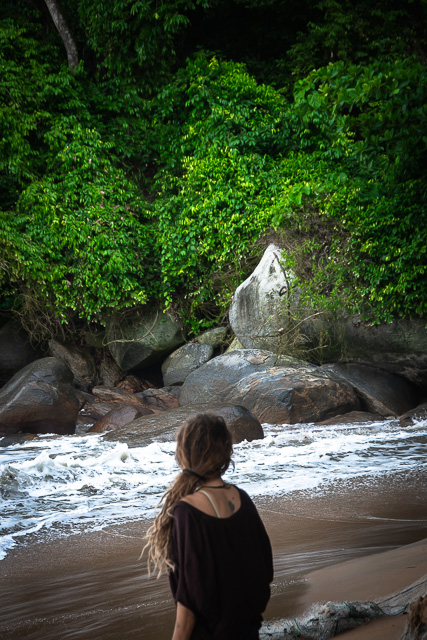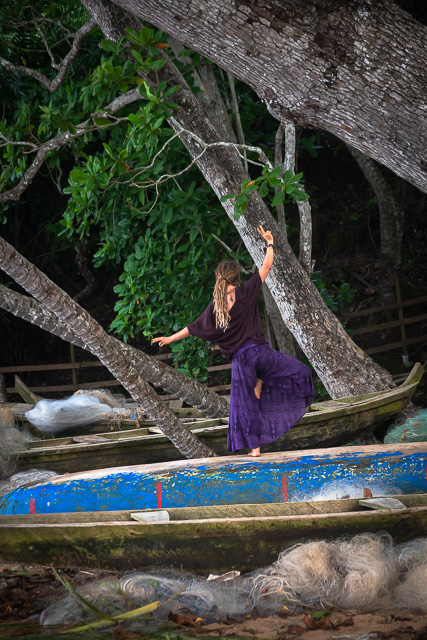
Is it really possible for a woman to travel alone through Africa?
Oh, absolutely! Do you really want to travel all alone to Rwanda? Or completely by yourself through Kenya, Tanzania, Ethiopia? Djibouti?
My mother had to go through a thousand worries for me before she traveled Africa herself and read my books. Afterward, she said: “Now I understand!”
On the African continent, you are never truly alone. That might not be for everyone, especially if you like your peace and quiet. But here, you are always taken care of — especially as a woman. Humanity is truly valued here.
How do I prepare?
I have traveled alone in so many African countries and never prepared more than packing everything into my backpack the night before and just flying off. I didn’t want to know much about the country until I was there to feel it myself. I wanted to approach people openly, learn instead of knowing everything upfront. Ask questions instead of having all the answers ready.
Usually, during the flight descent, I’d pick a cheap accommodation from a guidebook and head there first. The rest unfolds on its own. In less touristic countries, I was mostly alone. To get ideas, I’d keep checking the map in the guidebook to see what to explore. The journey there by public transport and the people I met on the way or while strolling became the unforgettable part. I can barely remember the sights if I even made it that far.
Usually, I’d learn a few words of the local language in the first days. Often, I’d pick one highlight during the weeks—staying in the cheapest accommodations and eating the simplest food—and then do just that. Like feeding hyenas by hand in Gondor, seeing the gorillas in Rwanda, or snorkeling with whale sharks. These moments stay unforgettable, as do the countless children and families I met and spent time with.
Why I always stick to children
Children often have the purest hearts. They get so excited by genuine interest and attention. They love showing you their favorite spots, take you to their families, and know exactly what you should see—or where you better not go.
Usually, you make a huge joy for them and their families when you pay for the next school fees, buy schoolbooks, or similar in exchange for your time, often food or accommodation. A win-win on equal footing that neither side will ever forget.
Trading instead of just giving
For me, trading has become the solution to all the awkwardness. Traveling in countries where many only dream of traveling or a full table is not easy. But no one here is a victim, and guilt or shame don’t solve anything either. I leave courage, motivation, and inspiration when I take the effort to enter a trade.
When someone I like is in need, I consider what I might specifically want and what the other person needs. It’s not always easy and often requires creativity. But it’s worth it.
Why not just give? Giving alone is the easy route, but over time it often harms more than it helps. It creates jealousy, unbalances equality, promotes begging mindsets, and gifts without return quickly lose value—they’re often fleeting and end up discarded or stolen. This is not always the case but happens often enough.
Especially here in Africa, my goal is to erase supposed differences rather than reinforce clichés and divides again and again. Self-responsibility is a big word for both sides. Trading creates equality and adds value for both—everyone gives what they can and want. And if I don’t get something directly back, maybe it’s my role to make sure someone else receives something.
And those who only want gifts and refuse to trade won’t do business with me.
Try it and let me know how it goes.
I write more about trading in my book Reiss Aus | Audiobook. | Book in English.
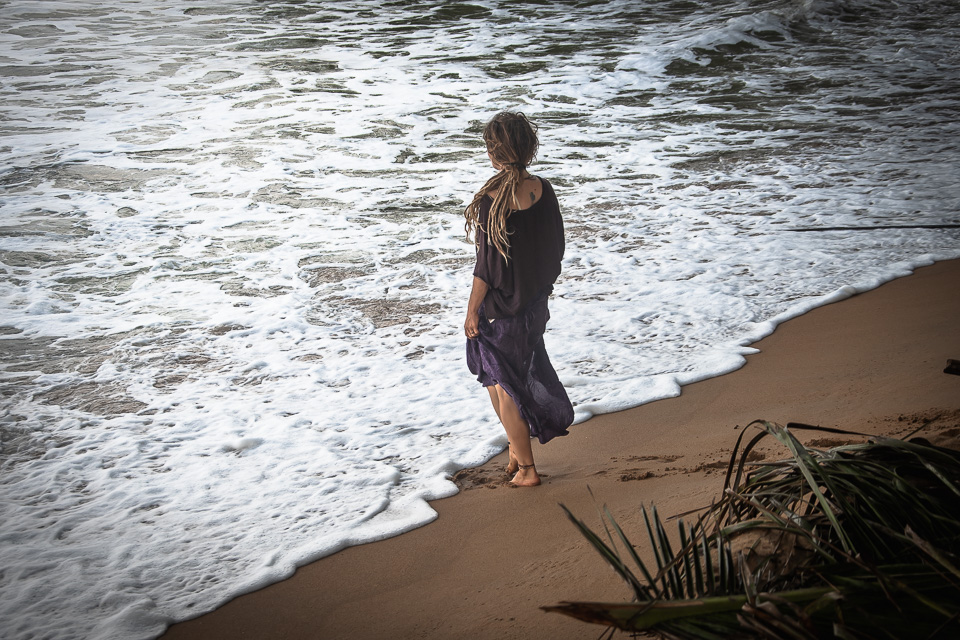

How do I know when it’s dangerous?
Travel teaches you most of all to listen to your gut feeling. I have slept in the craziest places, filmed in townships, and always used local transport to reach the most remote spots. Nothing bad has ever happened to me. I guess I was lucky—but also always used my feeling as a compass.
Inside you know exactly what feels good and what doesn’t. Those who see themselves as victims in their mind usually become one faster. I emphasize giving genuine and open smiles, especially to women. Those who give smiles get smiles in return. That’s how we are human to human.
Traveling alone by public transport
The easiest and cheapest way is to travel like the locals: by buses or shared taxis. They usually only leave when full. But you have to arrive early to get a seat. Stops are mostly only made when everyone urgently needs to pee—a long skirt helps with group peeing. Beautiful and meaningful encounters often arise on these long, exhausting trips.
The downside is you can’t just stop wherever you want to take photos. You get on and off where the bus stops. That means finding accommodations often and getting used to sleeping in strange beds.
Traveling with your own car in Africa
Here you always have your bed and kitchen with you and can sleep wherever you want. You can close the door if you need peace or give rides to others if you like.
The downside: You sometimes need a mechanic. Best is a mechanically simple car without much electronics because fixing electronics is often hard here. Also, you need car papers like a Carnet de Passage (from an automobile club) or a Laisser Passer (from customs at the border).
How do I travel with little money?
I started working evenings and weekends as a student, saving every cent for travel. The rent from my sublet paid my plane ticket. On the road, I could often eat, travel, and sleep with 5 euros a day.
Travel also teaches: sometimes you win, sometimes you lose. One day, despite being frugal, you’ll have to spend a lot—maybe because of hospital expenses. Other days, you’ll be surprised by invitations and won’t pay a thing.
Money wants to flow. Holding onto it blocks the flow and yourself. What flows nourishes others and also comes back to you.
Travel first aid kit
I used to travel only with a tube of Bepanthen and an aspirin. The sterile needle my mother packed for my first Australia trip is still unopened after 30 years.
Today, my first aid kit is much bigger: disinfectants, several sterile needles :), hydrogen peroxide for small and big wounds, malaria tests and medicines, CDS, antihistamines, globules, local herbs like Artemisia, Moringa… plus a special dog first aid kit for Africa.